
Megapixels vs. Sensor Size: The 200MP Myth Explained

Why does a 48MP iPhone take better photos than a 200MP budget phone? We break down the physics of smartphone sensors, pixel binning, and aperture.
Quick list
- Benefits of Large Sensors:1. Natural Bokeh: You get real blurry backgrounds without using "Portrait Mode" software.2. Low Light Mastery: It drinks in light, allowing for faster shutter speeds at night.3. Dynamic Range: It captures details in both the bright sky and the dark shadows simultaneously.
Introduction: The Big Number Lie
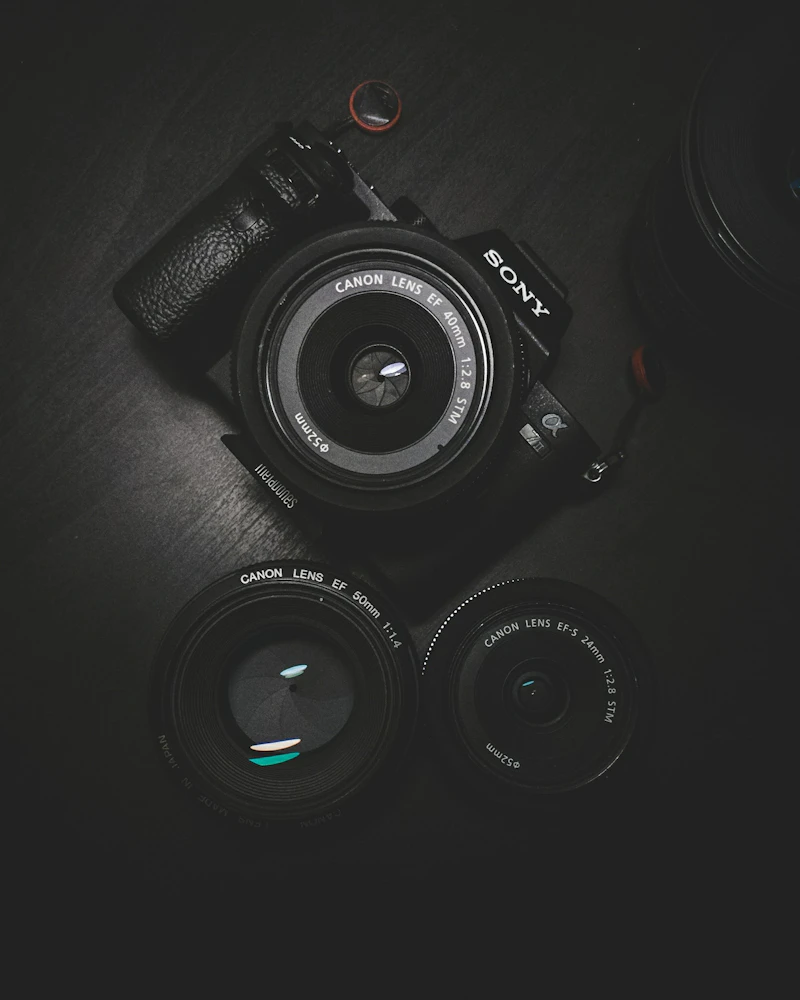
Walk into an electronics store in 2026, and you will see budget phones boasting "200 Megapixel Cameras!" meanwhile, a $3,000 professional Sony Alpha camera might only have 33 Megapixels. What is going on?
Marketing teams love big numbers. But in photography, quantity does not equal quality. In fact, cramming too many pixels onto a tiny smartphone sensor can actually make your photos worse (noisier) in low light. This guide explains the one spec you should actually look for: Sensor Size.
The Bucket Analogy
Think of light as rain, and pixels as buckets.
Scenario A (Big Pixels): You have 50 large buckets. They catch a lot of rain easily.
Scenario B (Small Pixels): You have 200 tiny thimbles. They catch very little rain, and it's hard to measure exactly how much water is in each one.
Smartphone cameras have limited space. When you cram 200 million pixels onto a chip the size of a pinky nail, each pixel is microscopic. They struggle to gather light, leading to "noise" (grain) in your photos.
Enter "Pixel Binning"
So how does the Samsung S26 Ultra make 200MP work? It uses a trick called Pixel Binning. By default, it doesn't take 200MP photos. It groups 16 tiny pixels together to act as one big "super-pixel." This outputs a 12.5MP image that is bright and clean.
Key Takeaway: You are rarely actually shooting in 200MP mode. You are shooting in 12MP mode with extra steps.
The Real Hero: Sensor Size (1-Inch Type)
The biggest trend in 2026 is the 1-inch type sensor (found in Xiaomi Ultra and Oppo Find X series). This sensor is physically massive compared to standard phones.
- Benefits of Large Sensors:
1. Natural Bokeh: You get real blurry backgrounds without using "Portrait Mode" software.
2. Low Light Mastery: It drinks in light, allowing for faster shutter speeds at night.
3. Dynamic Range: It captures details in both the bright sky and the dark shadows simultaneously.

Comparison: 200MP vs. Large Sensor
| Spec | 200MP Mid-Range Sensor | 50MP 1-Inch Flagship Sensor |
|---|---|---|
| Detail (Daylight) | High | Very High |
| Detail (Low Light) | Poor (Noisy) | Excellent (Clean) |
| File Size | Massive (50MB+) | Manageable (15MB) |
| Shutter Lag | High (Processing time) | Instant |
FAQ
Should I shoot in 48MP/200MP mode?
Only in bright, direct sunlight when you plan to crop in later or print a large poster. For everything else, leave it in default (12MP/24MP) mode for better dynamic range.
What is "f-stop"?
The aperture (e.g., f/1.7) controls how much light enters. A lower number means a wider opening (more light). f/1.7 is better for night shots than f/2.4.
Conclusion
Stop counting megapixels. When comparing phones, look for the Sensor Size (e.g., 1/1.3") and the Pixel Size (e.g., 1.2µm or 2.4µm binned). A 50MP camera with a huge sensor will beat a 200MP camera with a tiny sensor every single time.
Next Step: Read the spec sheet of your dream phone and check the "Sensor Size" line item before buying.
Discussion
Start the conversation.